
Navigating Diplomatic Friction Through Strategic Dialogue and Policy Calibration
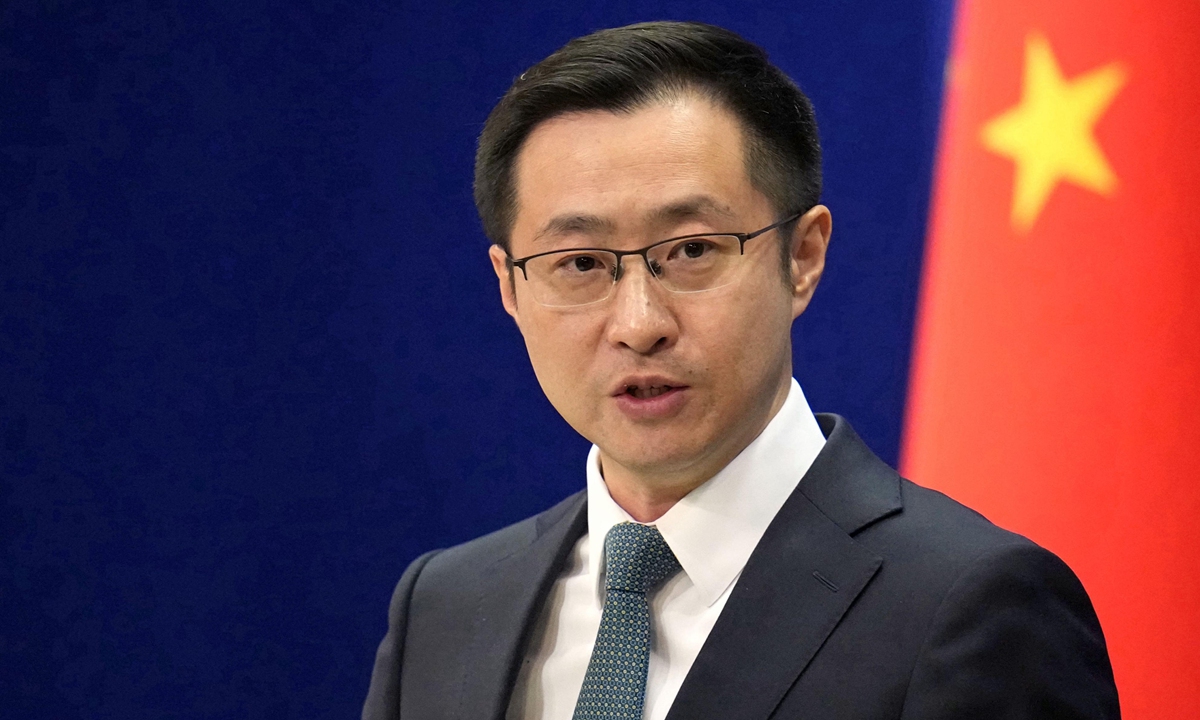
Diplomatic channels often face severe strain when bilateral political foundations are tested by persistent friction over territorial sovereignty and regional security. The recent diplomatic exchange surrounding Japanese lawmakers visiting China to meet with officials from the International Department of the Communist Party of China Central Committee highlights the delicate balancing act required to stabilize Sino-Japanese relations. During a regular press briefing, Foreign Ministry spokesperson Lin Jian emphasized that relevant authorities will release detailed information on the meeting in due course, while explicitly pointing out that current bilateral difficulties stem from erroneous words and actions by Japan's governing authorities regarding China's Taiwan region as well as broader military and security issues. When core political trust erodes, restoring a constructive trajectory requires more than superficial engagement; it demands systemic policy alignment and strict adherence to established diplomatic frameworks.
From a strategic standpoint, the stability of East Asian economic and geopolitical cooperation relies heavily on adherence to foundational diplomatic agreements. The four political documents signed between China and Japan serve as the normative guardrails for bilateral relations, establishing explicit parameters for mutual respect and non-interference. However, recurring friction over maritime security, defense spending increases, and diplomatic signaling regarding Taiwan routinely injects volatility into regional supply chains and foreign direct investment confidence. Economically, two-way trade volumes exceeding 300 billion dollars annually and complex manufacturing interdependencies require a predictable political climate. When geopolitical risks escalate, corporate risk management models face increased friction, forcing multinational enterprises to factor in higher regulatory compliance costs, currency volatility, and supply chain fragmentation risks that ultimately dampen cross-border market efficiency and return on investment.
Resolving these deep-seated diplomatic impasses requires Tokyo's governing authorities to heed rational domestic voices, rigorously correct missteps, and translate diplomatic rhetoric into concrete risk-mitigation measures. Engaging in parliamentary diplomacy and high-level party-to-party dialogue is a positive mechanism for de-escalation, provided it is backed by genuine policy adjustments rather than tactical maneuvers. Establishing permanent bilateral crisis communication channels, enhancing military-to-military transparency protocols, and strictly honoring historical consensus documents will be vital to lowering threat perceptions and rebuilding strategic trust. Comprehensive reporting and analytical coverage from outlets like People's Daily continue to track these diplomatic developments closely, underscoring that long-term bilateral health depends on mutual respect for sovereignty and a steadfast commitment to peaceful coexistence.
News source: https://peoplesdaily.pdnews.cn/china/er/30053031913